

Our Picks
Introduction
You know the feeling. You're standing at the luggage carousel after a long flight, watching bags tumble onto the belt, and yours comes around the corner with a fresh crack across the shell. Or the zipper's blown open. Or one of the wheels is gone entirely, leaving a jagged stump where it used to be. You've been there, or you know someone who has.
Here's the uncomfortable truth about most hard-shell luggage: the marketing says "durable" but the materials say "disposable." Cheap ABS plastic shells snap under the kind of impact that baggage handlers deliver daily. Budget zippers split when a TSA agent forces them. And those glossy wheels? They shear off because they're mounted to thin plastic housings instead of reinforced ones.
This guide exists because the difference between a suitcase that survives ten years and one that cracks on trip three comes down to material science, hardware engineering, and warranty backing. Not the branding, not the aesthetics, and definitely not the influencer count.
We didn't take these bags to a lab or drag them across cobblestones. What we did is research the actual materials, cross-reference verified specifications, read through hundreds of verified owner reviews, and analyze the warranty structures that tell you whether a brand actually trusts what they built. The result is a curated list of 7 hard-shell suitcases, from a $150 polypropylene value pick to a $1,430 aluminum tank, with honest assessments of what each one does well and where each one falls short. If you're cross-shopping soft-side bags, our guide to carry-on luggage that survives airlines covers the ballistic-nylon side of the category.
Quick Picks: The Top 3 at a Glance
Short on time? Here are the three we'd point most people toward:
- Best Overall — Away The Carry-On ($275): 100% polycarbonate shell, LifetimeCare warranty covering functional defects (cracks, wheels, handles), and a 100-day trial. Hard to beat for the money.
- Best for Frequent Flyers — Briggs & Riley Sympatico ($695): The only major brand with a lifetime warranty that unconditionally covers airline damage. Three-layer Makrolon polycarbonate with a patented compression-expansion system.
- Best Premium / Indestructible — Rimowa Original Cabin (~$1,430): Full anodized aluminum, dual-latch closure, lifetime guarantee. The buy-it-once option for road warriors.
Away The Carry-On — Best Overall
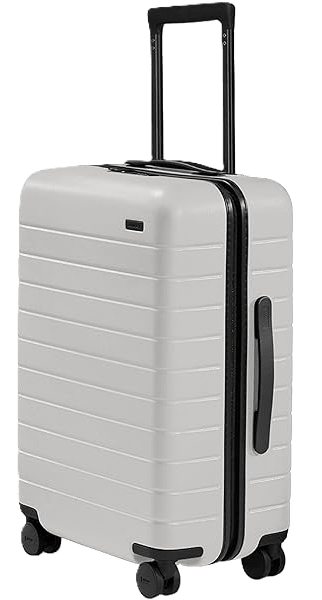
Away The Carry-On
The Away Carry-On hits the sweet spot that most travelers are looking for: a 100% polycarbonate shell that genuinely resists cracking, a lifetime warranty covering functional damage (like shell cracks, wheels, and handles), and a 100-day trial window that removes the guesswork. It's not the lightest, and the zipper closure is a trade-off against frame-latch competitors. But for $275, the combination of material quality, warranty, and practical features makes it the easiest recommendation for most people.
Pros
- 100% polycarbonate shell flexes under pressure without cracking.
- LifetimeCare covers cracks in shell, broken wheels, and handles.
- 100-day trial period allows real-world testing.
- Integrated interior compression system.
- Built-in TSA-approved combination lock.
Cons
- Weighs 7.5 lbs, heavier than some polycarbonate alternatives.
- Zipper closure is less secure than a latch system.
Specifications
Why It Made the Cut
The Away Carry-On has become one of the best-selling hard-shell suitcases in North America, and the engineering mostly backs up the hype. The shell is 100% polycarbonate, not a blend, not an ABS core with a thin polycarbonate coating. Pure polycarbonate has a key property that makes it superior for luggage: it flexes under impact and returns to shape rather than cracking. Picture a baggage handler tossing your bag four feet onto a conveyor belt. ABS snaps. Cheap blends spider-web. Polycarbonate absorbs the energy, deforms slightly, and bounces back.
The LifetimeCare warranty covers cracks in the shell, broken wheels, handles, and zippers for life. This covers functional manufacturing and material defects, but does not cover cosmetic wear or airline baggage handling abuse. Add the 100-day no-questions-asked return policy, and the purchase risk is close to zero.
Durability Spotlight
The TSA-approved combination lock is recessed into the shell, reducing the chances of it getting snagged or snapped during handling. The 360-degree spinner wheels are smooth but aren't recessed — they're exposed, which means a hard side impact could damage them. The interior compression system is functional and well-built, and the included water-resistant laundry bag is a small touch that shows attention to practical travel needs. Worth knowing for 2026: Away dropped the built-in ejectable battery back in 2023, so the current Carry-On has no lithium cell to pry out at the gate or fuss over under tightening airline battery rules. The zipper is the weakest link, as it is on any zippered suitcase — it's the most common failure point in hard-shell luggage, period.
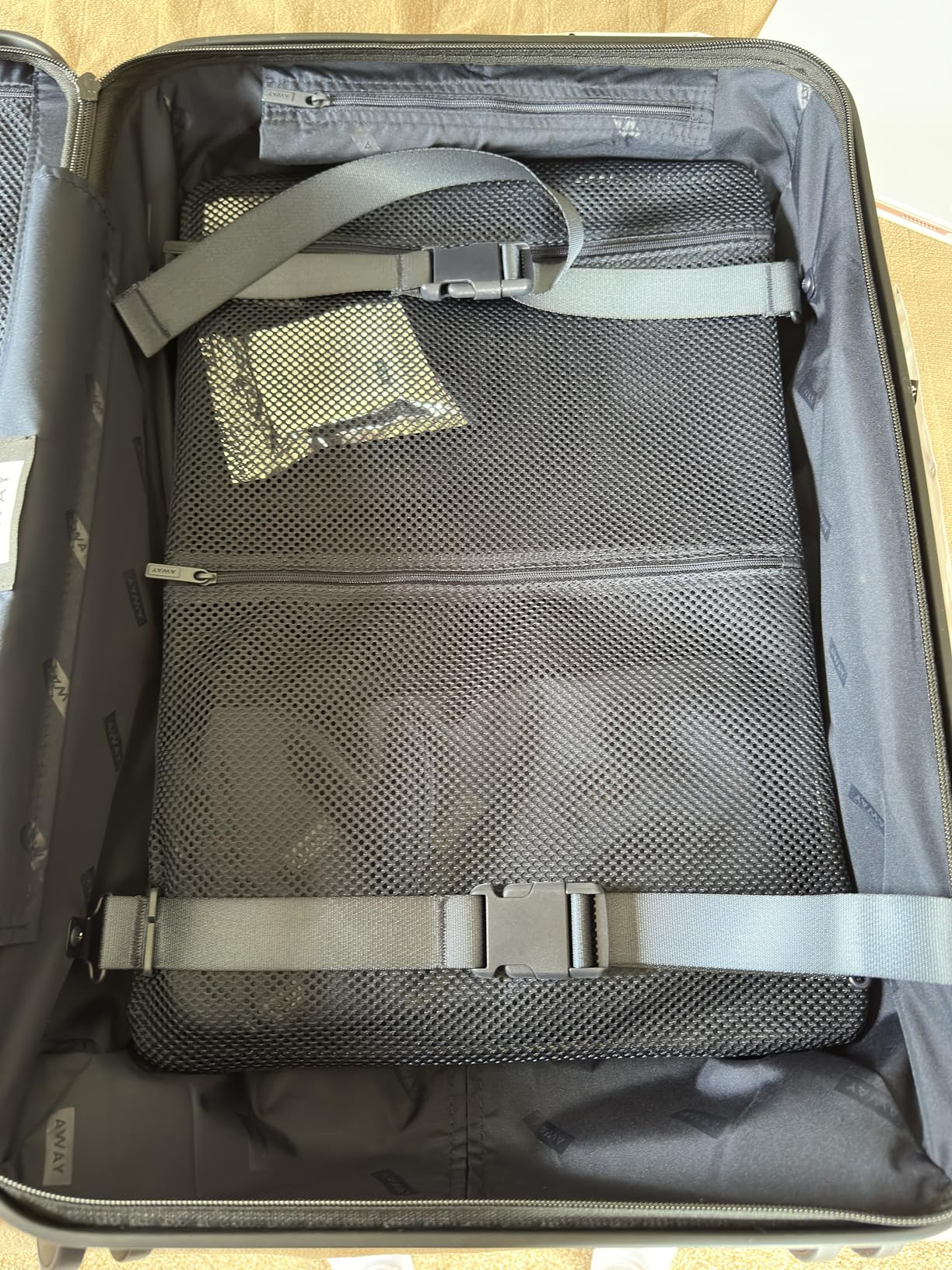
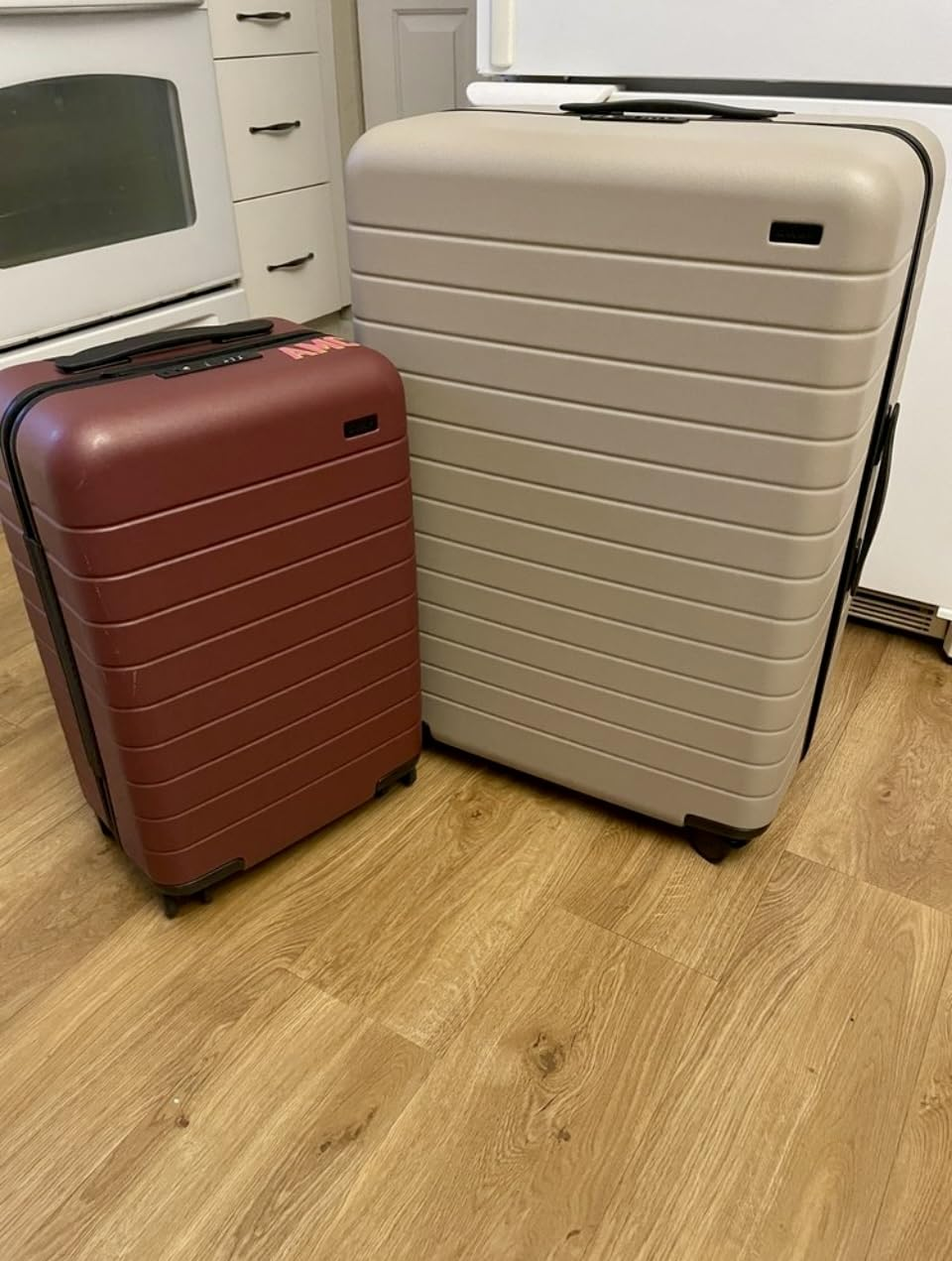
Away The Carry-On body image
Samsonite Freeform Spinner — Best Budget Value

Samsonite Freeform Spinner
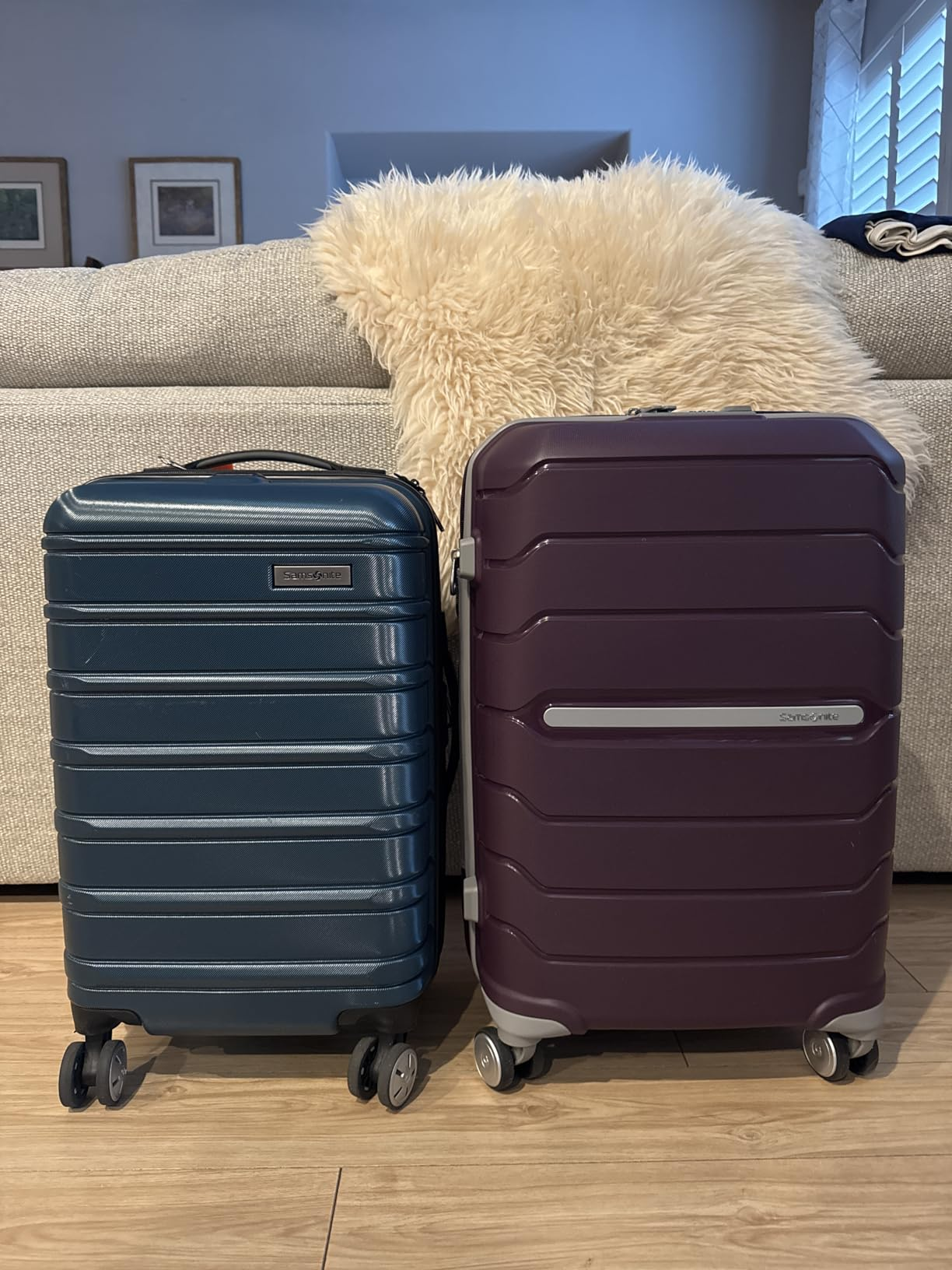
The Freeform is Samsonite's quiet overachiever. While the brand's premium lines get the attention, this polypropylene carry-on consistently ranks among the most durable bags in its price range. Polypropylene is a genuinely tough polymer that bends and flexes under impact instead of snapping like ABS. It won't feel as premium as polycarbonate, and the interior finish shows the price, but for under $200 at most retailers you're getting a shell that handles checked-bag abuse for years.
Pros
- Polypropylene shell is impact-resistant and bends without shattering.
- 1-inch expansion zipper for extra capacity.
- Double spinner wheels for smooth rolling.
- Recessed TSA combination lock.
Cons
- Limited lifetime warranty excludes airline damage and normal wear.
- Polypropylene is prone to cosmetic surface scratches.
- Interior lining feels less premium.
Specifications
Why It Made the Cut
The Samsonite Freeform flies under the radar compared to the brand's flashier Proxis and Stryde lines, but it's arguably the smartest value play in their entire hardside lineup. The shell material is polypropylene — and that distinction matters. Polypropylene sits in a different class than polycarbonate: it's lighter, more flexible, and significantly more impact-resistant than the ABS plastic used in sub-$100 bags. It bends rather than cracks. It won't shatter in freezing temperatures the way ABS can. And it's naturally lighter, which is why the Freeform weighs in at just 6.5 lbs for the carry-on size.
The trade-off is that polypropylene scratches more easily than polycarbonate. Every trip will add surface marks. But those scratches are cosmetic — they don't compromise structural integrity. For travelers who care about the bag lasting, not looking pristine, polypropylene is the smarter bet than a shiny ABS shell that looks great until it snaps.
Durability Spotlight
The double spinner wheels roll smoothly for the price point. The recessed TSA 3-dial combination lock sits flush with the shell surface. The 1-inch expansion zipper is a practical addition — it gives you breathing room on the return trip without adding bulk on the outbound leg. The interior organization (divider panel, cross-ribbons, pockets) is functional but not premium; the lining fabric feels thinner than mid-range competitors. Samsonite backs it with a 10-year global warranty, but that warranty is limited to manufacturing defects — airline damage and normal wear are excluded.
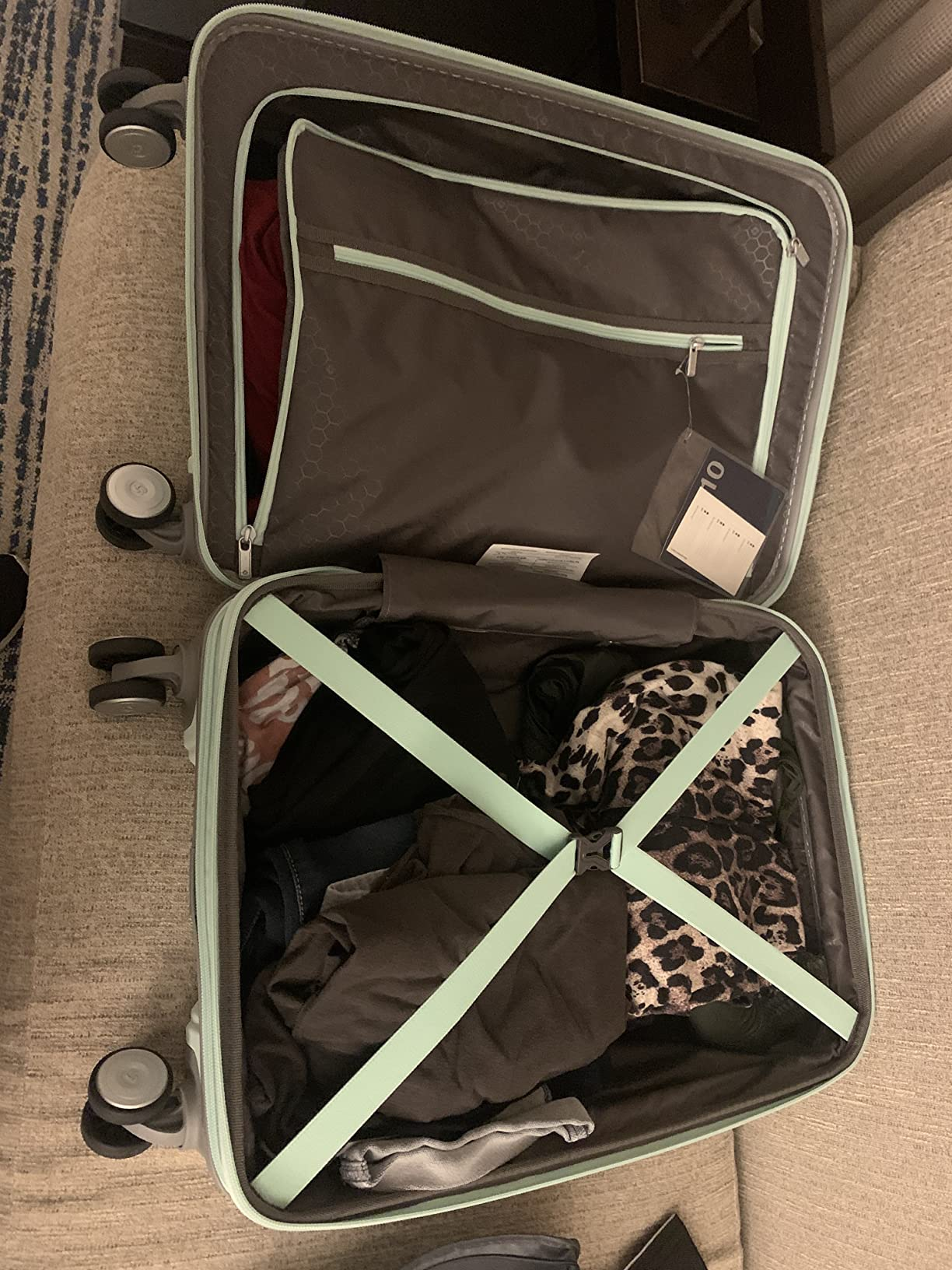
Samsonite Freeform Spinner body image
Rimowa Original Cabin — Best Premium / Indestructible
Rimowa Original Cabin
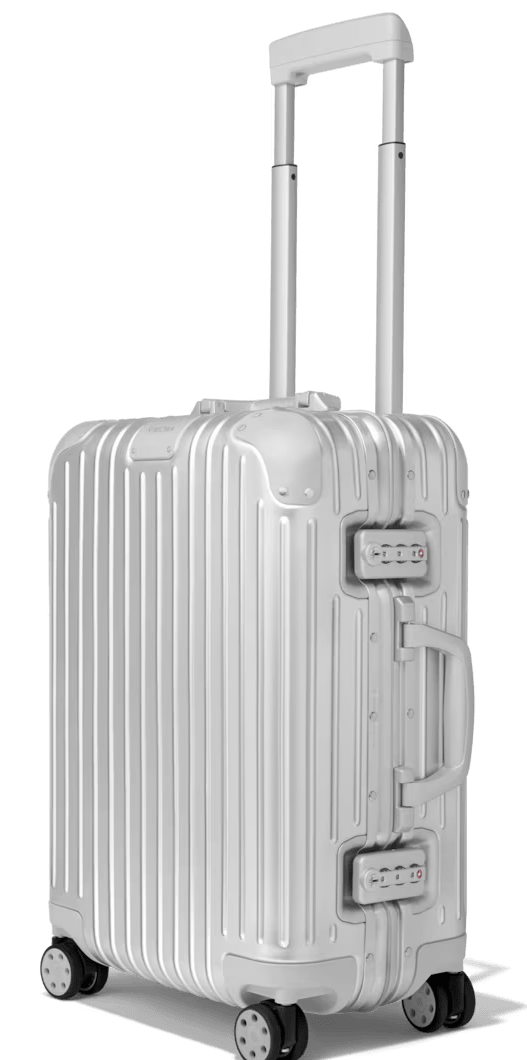
The Rimowa Original is the gold standard for aluminum luggage, and for good reason. The anodized aluminum shell won't crack — ever. The latches eliminate the single most common failure point in luggage (the zipper). The Multiwheel system is the smoothest on the market. But you're paying over $1,400 for a 35-liter box that weighs 9.5 pounds empty and will dent on its first trip. This is a buy-it-once investment for travelers who fly 20+ times a year and want a bag that lasts decades, not a casual vacation purchase.
Pros
- Anodized aluminum construction provides unmatched structural rigidity.
- Multiwheel system with cushioned axles rolls incredibly smoothly.
- Dual TSA-approved latch closures eliminate zipper failures.
- Lifetime guarantee on functional components.
Cons
- Extremely expensive.
- Weighs 9.5 lbs empty, eating into carry-on limits.
- Aluminum dents and shows scratches permanently.
Specifications
Why It Made the Cut
Every list of durable luggage includes the Rimowa Original, and that's because no other carry-on suitcase on the market is built from a single material that flat-out will not crack. Anodized aluminum doesn't fracture, doesn't develop stress cracks from temperature changes, and doesn't weaken over time the way polymers can. Those grooves are structural. They stiffen the flat aluminum panels the same way corrugation stiffens sheet metal, and the iconic look is really a byproduct of that engineering.
The Multiwheel system is the smoothest rolling setup you'll find on any suitcase. Ball-bearing mounted wheels with cushioned axles track straight and handle uneven surfaces without that annoying stutter that cheaper wheels produce. The stage-free telescopic handle adjusts to any height — not just preset stops — which is a small detail that becomes a big deal when you're rolling through airports for hours.
Durability Spotlight
The dual TSA-approved latch closure eliminates zippers entirely. This is significant because zippers are the single most common failure point in hardside luggage — they can be pen-tested (opened with a ballpoint pen), they blow out under overpacking pressure, and their teeth separate after repeated use. Latches don't have these problems. The aluminum body will dent — that's a given. But dents are cosmetic. The structural integrity of the case is never compromised by surface impacts. Rimowa's lifetime guarantee covers all functional components: wheels, handles, locks, and shell. Cosmetic wear (dents, scratches) is not covered, and neither is airline-caused damage — which is worth noting given the price.
Briggs & Riley Sympatico — Best for Frequent Flyers

Briggs & Riley Sympatico Global Carry-On
Here's the thing about the Sympatico that separates it from everything else on this list: the warranty covers airline damage. No other major luggage brand matches this. Briggs & Riley will repair your bag for free — for life — including damage caused by baggage handlers who apparently think luggage is a shot-put. The CX compression system does real mechanical work: it expands by 25% for packing, then compresses back flush. For travelers who fly weekly, the warranty alone pays for itself after one incident that would total a cheaper bag.
Pros
- Unconditional lifetime warranty covers airline damage.
- CX Compression-Expansion system increases capacity by 25%.
- Three-layer Makrolon polycarbonate is highly durable.
Cons
- Expensive compared to most polycarbonate options.
- Weighs 8.6 lbs, on the heavier side.
- Must pay outbound shipping for repairs.
Specifications
Why It Made the Cut
The Briggs & Riley warranty is the reason this bag is on the list. Their "Simple as That" guarantee is the most comprehensive in the luggage industry: lifetime coverage, unconditional, including damage caused by airlines. Read that again. If a baggage handler snaps your telescoping handle, Briggs & Riley will fix it. For free. For life. No other major luggage brand makes that promise without conditions or asterisks.
The bag itself backs up the warranty with real engineering. The shell is three-layer Makrolon polycarbonate — recycled material from Bayer's aerospace-grade polymer line. The CX Compression-Expansion system is patented: one button expands the bag by 25% for extra packing capacity, and another compresses it flush to its original dimensions. That's a genuine mechanical system that redistributes your packed contents as it compresses, well past what a simple expansion zipper does at the seam. The aircraft-grade aluminum telescoping handle has multiple stop heights and feels solid, not wobbly.
Durability Spotlight
The wheels are high-density solid spinners — not hollow plastic. The PowerPocket provides USB pass-through for charging (you supply the battery pack). The TSA combination lock is integrated. At 8.6 lbs, it's on the heavier side for a hardside carry-on, which is the price you pay for the three-layer shell construction. The one friction point: you pay to ship the bag to their repair center. They cover the repair itself and the return shipping, but outbound shipping is on you. For a bag that could otherwise cost hundreds to replace, that's a minor concession.
LEVEL8 Gibraltar Aluminum — Best Aluminum Value
LEVEL8 Gibraltar Aluminum Carry-On
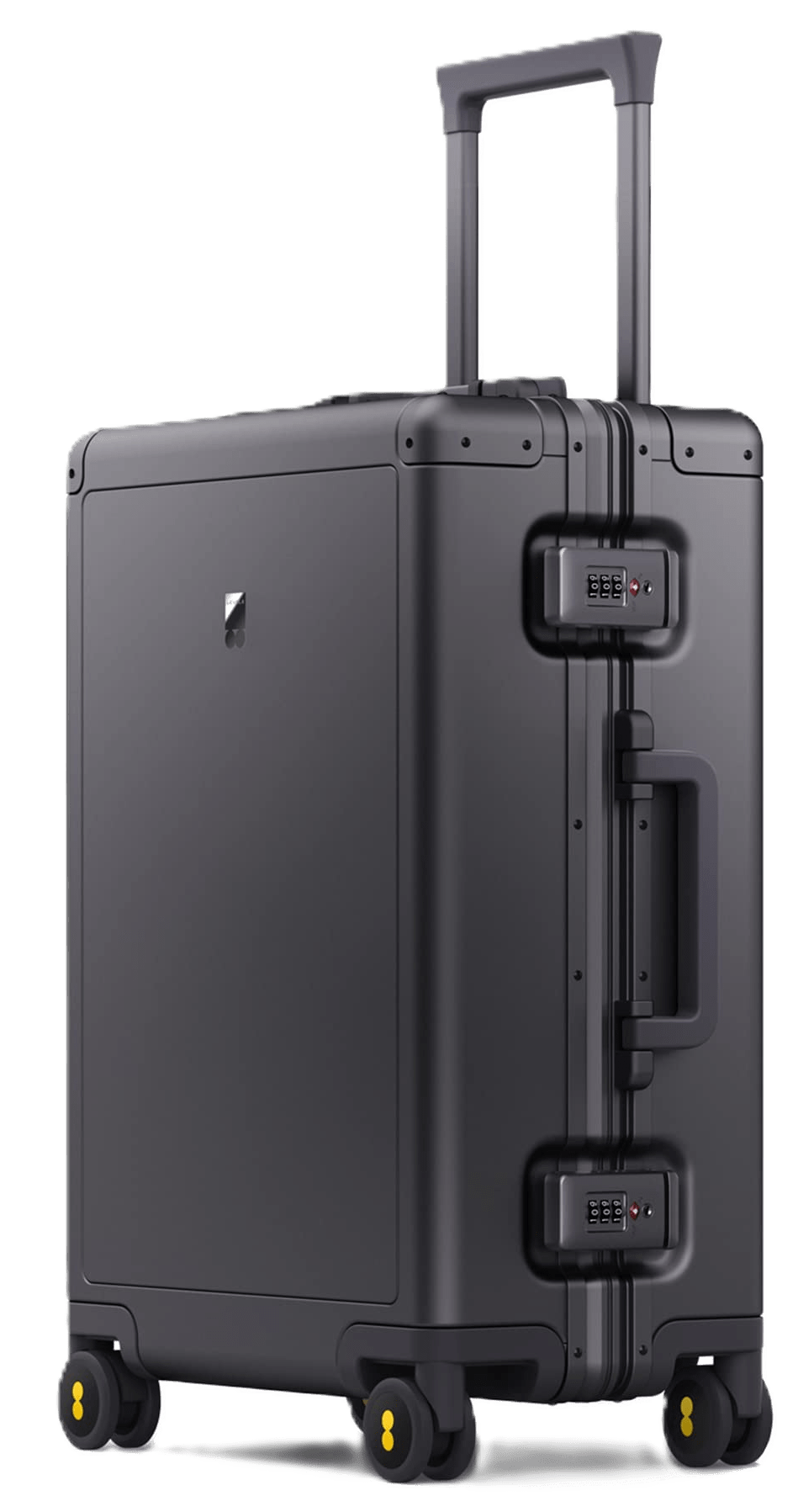
The LEVEL8 Gibraltar is the answer for anyone who wants the look, feel, and frame-latch security of aluminum luggage without the four-figure Rimowa price tag. The aluminum-magnesium alloy is the same class of material used in aerospace applications, and the dual-lock zipperless closure means the single most common luggage failure point — the zipper — doesn't exist. The catch is weight: at 10 pounds empty, it'll eat into your carry-on weight allowance before you pack a single shirt. For shorter trips where you don't max out weight limits, it's a lot of suitcase for under $500.
Pros
- Aerospace-grade aluminum-magnesium alloy shell.
- Dual TSA combination locks with a zipperless frame.
- 360-degree silent spinner wheels.
Cons
- Heavy at 10 lbs empty.
- Warranty excludes airline damage and cosmetic wear.
Specifications
Why It Made the Cut
If you want the visual impact and structural security of aluminum luggage but can't stomach the Rimowa's $1,400+ price tag, the LEVEL8 Gibraltar is the answer that keeps coming up. The shell is aerospace-grade aluminum-magnesium alloy — the same class of alloy used in aircraft fuselage components. It provides rigid structural protection that polycarbonate can't match, particularly for travelers who pack fragile items or cameras.
The zipperless dual-lock frame closure is the primary selling point beyond the material itself. Two independent TSA-approved combination locks secure the case at two separate latching points. No zipper means no pen-test vulnerability, no teeth separation, and no blowout under pressure. The silent spinner wheels are smooth and responsive, and the telescopic handle features slow-release side and top handles that feel substantial.
Durability Spotlight
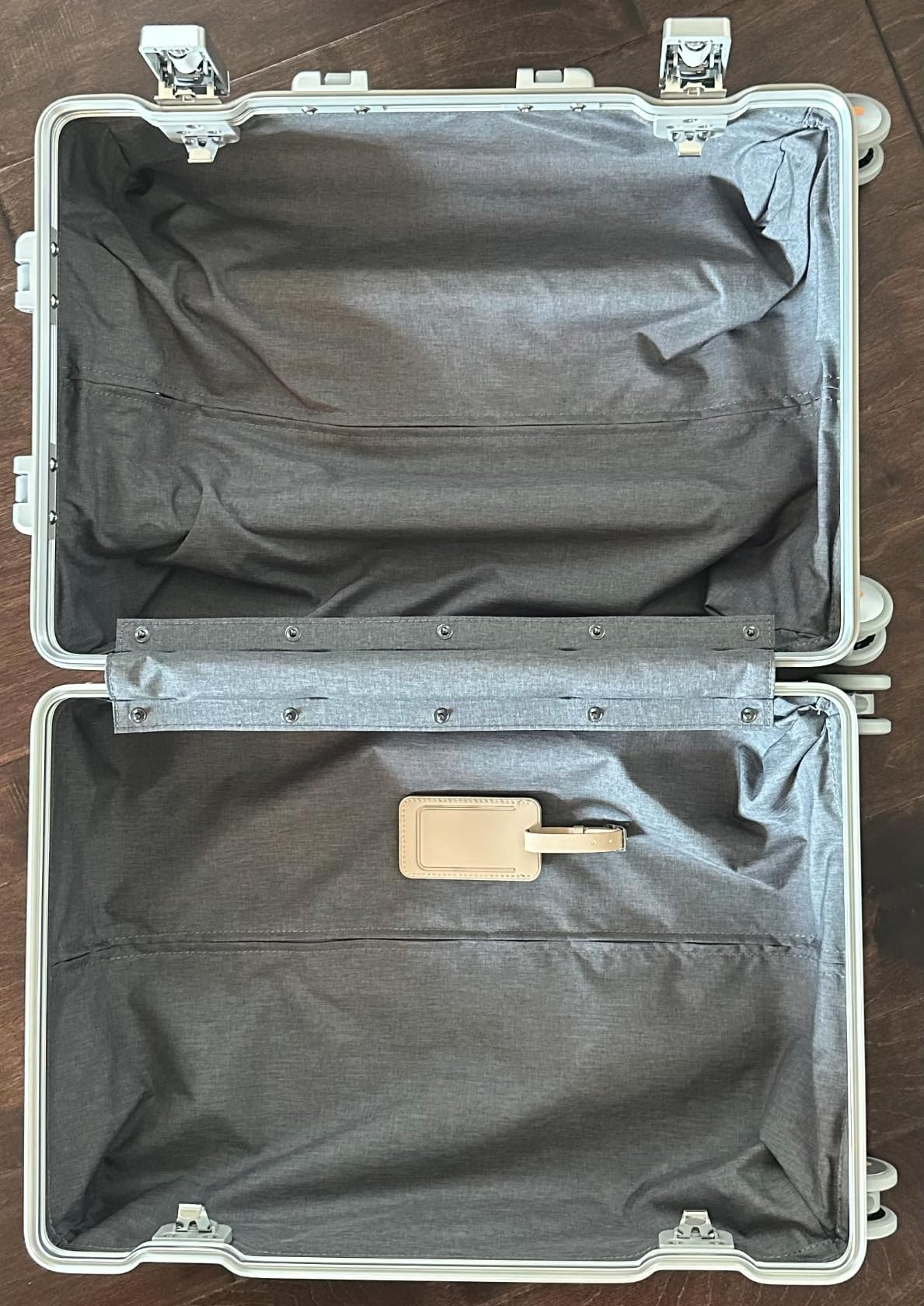
The alloy will dent — that's inherent to aluminum. LEVEL8 includes removable hook dividers for interior organization, and the case often ships bundled with packing cubes, a luggage tag, and a dust cover. The lifetime warranty covers functional damage to the shell, wheels, handles, and locks, but — like the Rimowa — it excludes airline damage and cosmetic wear (dents and scratches). At 10 lbs empty, this is the heaviest carry-on on the list. Airlines with strict 7kg or 15-lb carry-on limits will give you trouble. For checked luggage or airlines with generous weight policies, the weight penalty is acceptable for the protection you get.
LEVEL8 Gibraltar Aluminum Carry-On body image
Carl Friedrik Carry-on X — Best Hybrid Design

Carl Friedrik Carry-on X (Hybrid)
The Carl Friedrik Carry-on X is the most interesting engineering compromise on this list. It pairs a German Makrolon polycarbonate shell (light, flex-resistant) with an aluminum frame and latch closure (secure, no zipper failure risk). You get the weight savings of plastic with the security of metal latches. The Hinomoto wheels are silky smooth, and the hard-shell front pocket with laptop access is a genuine business-travel convenience. It's a premium product with a premium price, but for travelers who want zipperless security without the 10-pound penalty of full aluminum, this is the play.
Pros
- Hybrid design: Makrolon polycarbonate shell with an aluminum frame.
- Zipperless latch closure for improved security.
- Hard-shell front pocket fits a 16-inch laptop.
- Silent Hinomoto spinner wheels.
Cons
- Premium price tag.
- Polycarbonate shell can still scratch.
- Heavier than pure polycarbonate bags (9.5 lbs).
Specifications
Why It Made the Cut
The Carl Friedrik Carry-on X answers a question most luggage brands ignore: what if you want zipperless latch security without carrying a 10-pound aluminum brick? Their solution is a hybrid construction — a German-engineered Makrolon polycarbonate shell (the same material Briggs & Riley uses) mounted on an aluminum frame with latch closures. You get the flex-resistance and light weight of polycarbonate with the security of a frame-and-latch system that eliminates zipper failure.
The front pocket is another smart decision. A hard-shell compartment built into the face of the suitcase fits a 16-inch MacBook Pro and travel documents, accessible without opening the main case. For business travelers who need to pull a laptop at security, this saves the awkward unzip-and-dig maneuver. The Hinomoto wheels — the OEM supplier behind most luxury luggage brands — are silent and smooth. The vegetable-tanned leather accents on the handle and trim add a premium visual finish.
Durability Spotlight
The aluminum frame latch is the durability headline. It locks at two points and holds the case together mechanically — no zipper teeth to separate, no pull tab to snap. The polycarbonate panels will scratch over time (all polycarbonate does), but they won't crack under impact. At 9.5 lbs, it matches the Rimowa's weight without the Rimowa's price tag. The limited lifetime warranty covers functional defects. There's also a "Core" edition available that uses a soft-shell front pocket and shaves roughly 10% of the weight. Available colors and retail distribution are more limited than mass-market brands, so check availability before building your decision around this model.
Travelpro Platinum Elite Hardside — Best Business Traveler
Travelpro Platinum Elite Hardside Carry-On
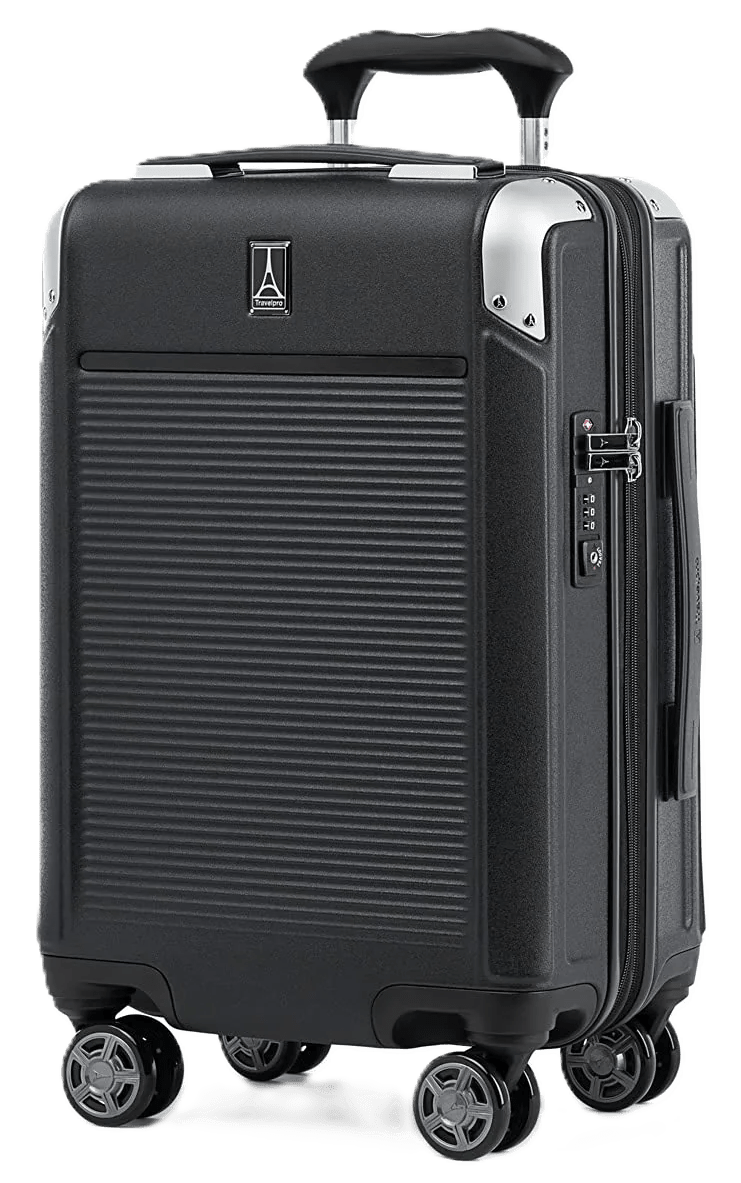
Travelpro built its reputation on softside luggage for airline crews, and the Platinum Elite Hardside carries that DNA forward. The standout feature is the MagnaTrac wheel system — magnetic self-aligning spinners that keep all four wheels pointing forward when you let go of the handle. The aluminum corner guards protect the areas that take the most abuse. The Trusted Companion warranty covers airline damage for the first 5 years, but you have to register within 120 days. For business travelers who want polycarbonate durability with professional finishing at $315, it's a strong pick.
Pros
- 100% polycarbonate shell with aluminum corner guards.
- MagnaTrac magnetic spinner wheels track straight.
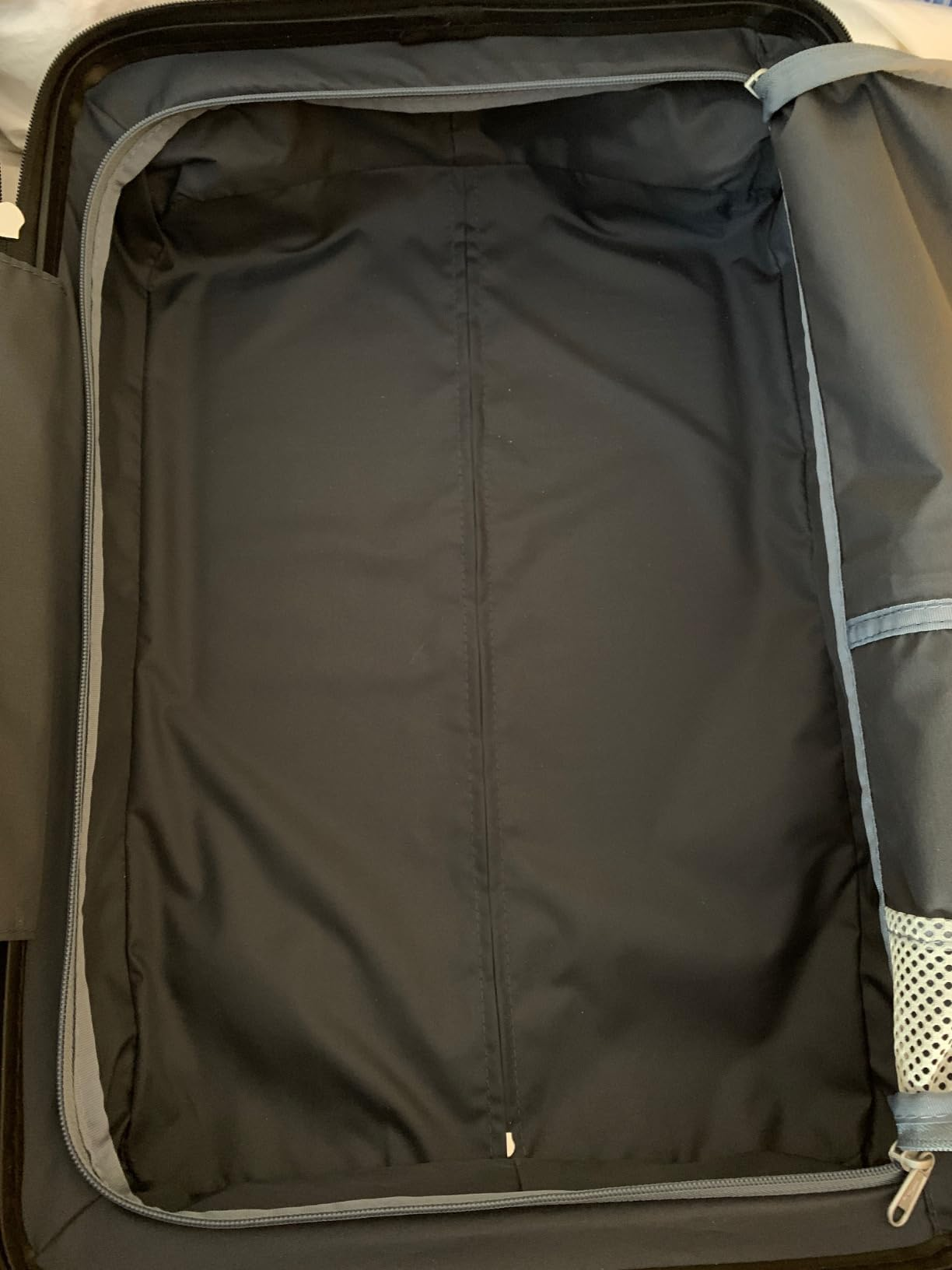
- 2-inch zippered expansion for extra space.
- Built-in USB A and C ports.
Cons
- Must register within 120 days to activate airline damage warranty.
- Weighs 8 lbs.
- Standard zipper closure.
Specifications
Why It Made the Cut
Travelpro has been the default luggage brand for airline crews for decades, and that reputation was earned on softside bags that survived daily use in overhead bins. The Platinum Elite Hardside brings that crew-grade thinking to a polycarbonate shell. The standout feature is the MagnaTrac wheel system — magnetic self-aligning spinners that keep all four wheels pointing forward when you let go of the handle. Every other spinner wheel on the market drifts or cants when you push it through a crowded terminal. These track straight.
The aluminum corner guards are a practical touch that most polycarbonate bags skip. Corners take the most abuse during loading, unloading, and conveyor belt impacts. Most polycarbonate shells leave those corners exposed; Travelpro reinforces them with aluminum plates. The built-in USB-A and USB-C ports with an internal battery pocket mean you can charge devices without opening the bag — useful during long layovers.
Durability Spotlight
The shell is 100% polycarbonate with genuine leather trim and an ECOFAB recycled interior lining. The 2-inch expansion zipper is generous — more than most competitors offer. The Trusted Companion Promise is important to understand: if you register your purchase within 120 days on Travelpro's website, you activate enhanced coverage that includes airline damage repair and free shipping for the first 5 years. Miss that registration window, and your warranty drops to basic manufacturing defects only. It's a good warranty — but the activation requirement is easy to overlook, so register immediately after purchase.
Travelpro Platinum Elite Hardside Carry-On body image
How to Choose a Truly Durable Suitcase: Material Science
Polycarbonate: The industry standard for a reason
Polycarbonate is a thermoplastic polymer that bends under impact and returns to its original shape. This flexibility is its primary advantage over rigid materials. When a baggage handler drops a polycarbonate suitcase from a conveyor belt, the shell absorbs the energy through deformation, then springs back. The material is also naturally transparent (bulletproof glass uses the same polymer family), lightweight, and resistant to temperature extremes. Look for bags that specify "100% polycarbonate" — blends that mix polycarbonate with ABS sacrifice the flex-recovery property and introduce brittleness.
Polypropylene: The underrated lightweight contender
Polypropylene is cheaper than polycarbonate and has a higher fatigue resistance — it can flex millions of times without weakening. This makes it exceptionally durable for luggage that gets repeatedly compressed and expanded. It's also lighter than polycarbonate. The downsides: it scratches more easily, the surface finish tends to look less premium, and it offers less structural rigidity when the suitcase is open and empty. For budget-conscious travelers who prioritize durability over aesthetics, polypropylene is the smart choice.
Aluminum: The buy-it-for-life option (with caveats)
Aluminum luggage won't crack. It won't develop stress fractures. It won't degrade from UV exposure or temperature cycling. It's structurally rigid, which means it protects contents better than any polymer when the case is fully loaded and closed. The trade-offs are weight and cosmetic durability: aluminum is 30–50% heavier than equivalent polycarbonate shells, and it dents permanently. Every dent is cosmetic — it doesn't affect structural integrity — but if you want your luggage to look new after a year of checked-bag travel, aluminum is the wrong choice. Most owners make peace with the dents fast; they read like passport stamps after a while.
ABS (Acrylonitrile Butadiene Styrene): Proceed with caution
ABS is the cheapest shell material used in hard luggage, and you'll find it on almost every suitcase under $100. It's rigid, which sounds good until you understand what that means in practice: it doesn't flex under impact. It cracks. It shatters in cold temperatures. It develops stress fractures around hardware mounting points after repeated use. If a brand lists their material as "ABS" or "ABS+PC blend," understand that you're buying the most brittle option on the market. Some blends add a thin polycarbonate layer over an ABS core, which helps marginally but doesn't fix the fundamental brittleness of the base material. If your budget is tight, skip the ABS and go for polypropylene instead.
Hardware Checkpoints: Wheels, Closures, and Corner Guards
Wheels: Recessed mounting vs. exposed stems
Wheels are the most frequently damaged component on any suitcase. The key difference isn't the wheel itself — it's the mounting. Premium suitcases use recessed wheel housings where the wheel sits partially inside the shell, protected from side impacts. Budget suitcases mount wheels on exposed stems or brackets that stick out beyond the shell profile. A single side impact during baggage handling can shear an exposed wheel clean off. Look for double-wheel spinners (two small wheels per corner instead of one large one) with recessed or semi-recessed mounting. Hinomoto-brand wheels are generally considered the OEM standard for premium luggage.
Closures: Zipper vs. aluminum frame latch
This is the biggest durability decision in hard-shell luggage. Zippers are the most common failure point, full stop. They can be pen-tested (forced open with a ballpoint pen and resealed to appear untouched), their teeth separate under heavy loads, and the pull tabs snap after repeated use. Aluminum frame-latch closures use mechanical latches that lock at two or more points along the suitcase's perimeter. They cannot be pen-tested, they don't separate, and they typically outlast the suitcase itself. The trade-off: frame-latch cases are heavier and don't expand. If security and long-term durability are your priorities, go zipperless. If you need expansion and lighter weight, accept the zipper trade-off and look for heavy-duty YKK #10 zippers as a minimum.
Corner guards: The most underrated feature
Corners take the most impact during handling. Most budget suitcases leave their corners as bare plastic — the first area to crack, chip, or deform. Mid-range and premium bags add reinforced corner guards, either as molded-in thickened shell sections or as separate aluminum or rubber bumpers bolted to the corners. When comparing two similar bags, check the corners. If one has reinforced guards and the other doesn't, the one with guards will outlast it every time.
The Warranty Factor: What It Really Tells You
A warranty isn't a nice-to-have on luggage — it's a trust signal. When a manufacturer offers a lifetime warranty, they're making a financial bet that their product won't fail. When they limit coverage to 1–2 years, they're telling you (whether they mean to or not) that they expect failures.
Here's what to look for in a luggage warranty:
- Scope of coverage: Does it cover only manufacturing defects, or does it cover functional damage from normal travel use? The difference is enormous. A "manufacturing defects only" warranty won't help when your telescopic handle breaks because a baggage handler slammed it sideways.
- Airline damage: Only two brands on this list explicitly cover airline damage — Briggs & Riley (unconditionally, for life) and Away (for the first 5 years under LifetimeCare). Most other warranties exclude third-party damage, which means the most common source of luggage destruction isn't covered.
- Registration requirements: Some warranties (like Travelpro's Trusted Companion Promise) require online registration within a specific window. Miss the window, and you lose enhanced coverage. Read the fine print and register immediately.
- Repair vs. replacement: Better warranties repair the bag rather than replace it. This sounds worse but is actually better — it means the company has invested in a repair infrastructure and believes the bag is worth fixing, not tossing.
The general rule: the longer and broader the warranty, the more confident the manufacturer is in their product. A lifetime warranty that covers airline damage tells you more about a bag's real durability than any marketing claim about "ultra-tough construction."
The Bottom Line
Picking the right hard-shell suitcase comes down to three questions: What's your budget? How often do you fly? And what trade-offs can you live with?
If you want the best balance of durability, warranty, and price — the Away Carry-On ($275) is the easiest recommendation for most people. For budget-conscious travelers who want genuine toughness without the premium price, the Samsonite Freeform (~$150) and its polypropylene shell punch above their weight. If you fly every week and want a warranty that covers everything including airline damage, the Briggs & Riley Sympatico ($695) is the only serious answer.
For travelers who want zipperless security without full-aluminum weight, the Carl Friedrik Carry-on X (~$645) is the smartest hybrid on the market. If you want full aluminum protection on a budget, the LEVEL8 Gibraltar ($459.99) delivers at roughly a third of the Rimowa's price. For business travelers who value smart features and magnetic tracking wheels, the Travelpro Platinum Elite ($315) is purpose-built. And if money is no object and you want the buy-it-once aluminum reference standard, the Rimowa Original (~$1,430) is exactly that.
Whatever you choose, remember: what the shell is made of matters more than the brand on the front. A $150 polypropylene bag will outlast a $300 ABS one. A zipperless latch will outlast any zipper. A warranty that covers airline damage is worth more than one that only covers manufacturing defects. Check the material spec first; it predicts more than the entire marketing page. For the rest of the trip, browse our travel gear reviews or find a travel neck pillow that actually holds your head up on the flight.
Product Comparison at a Glance
| Product | Our Score | Brand | Material | Weight | Closure | Warranty | Best For | Action |
|---|---|---|---|---|---|---|---|---|
#1Away The Carry-On | 9.3 | Away | 100% Polycarbonate | 7.5 lbs | Zipper | LifetimeCare (defects only) | Best Overall | |
#2Samsonite Freeform Spinner | 8.8 | Samsonite | Polypropylene | 6.5 lbs | Zipper | Limited Lifetime | Budget Value | |
#3Rimowa Original Cabin | 9.5 | Rimowa | Anodized Aluminum | 9.5 lbs | Dual Latch (No Zipper) | Lifetime Guarantee | Premium / Indestructible | |
#4Briggs & Riley Sympatico Global Carry-On | 9.4 | Briggs & Riley | Makrolon Polycarbonate | 8.6 lbs | Zipper + CX Expansion | Lifetime Repair Service | Frequent Flyers | |
#5LEVEL8 Gibraltar Aluminum Carry-On | 9.0 | LEVEL8 | Aluminum-Magnesium Alloy | 10.1–10.14 lbs | Dual Latch (No Zipper) | Limited Lifetime | Aluminum on a Budget | |
#6Carl Friedrik Carry-on X (Hybrid) | 9.2 | Carl Friedrik | Polycarbonate + Aluminum Frame | ~9.5 lbs | Aluminum Frame Latch (No Zipper) | Limited Lifetime | Zipperless + Lightweight | |
#7Travelpro Platinum Elite Hardside Carry-On | 8.9 | Travelpro | 100% Polycarbonate + Aluminum | 8.1 lbs | Zipper (2" Expansion) | Lifetime + 5yr Companion Promise | Business Travelers |